
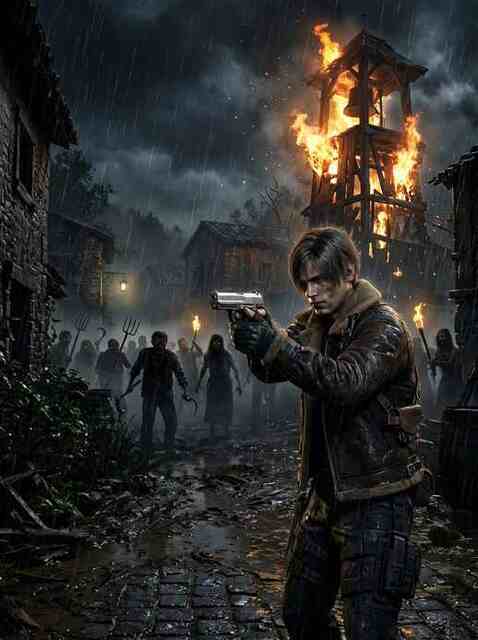
We are living through the Golden Age of the Big-Budget Video Game Remake. Over the past few years, studios have rebuilt beloved classics from the ground up with 4K physically based rendering (PBR) textures, volumetric lighting, and modern over-the-shoulder cameras.
Yet a clear divide has emerged between remakes that are universally celebrated as masterpieces—such as Capcom's Resident Evil 4 and Resident Evil 2, Bloober Team's Silent Hill 2, and Motive's Dead Space—and remasters that leave long-time fans cold despite having 10x the polygon count. The difference rarely comes down to raw graphical horsepower; it comes down to whether the art directors respected the original game's intentional color script and negative space.
Title: The 3 Rules of Masterclass Remake Art Direction
Badge: Visual Criticism
- 1. Understand Why Low-Poly Constraints Worked: Technical limitations on PS1/PS2 (like Silent Hill's distance fog or Resident Evil's stark chiaroscuro lighting) forced players' imaginations to fill in the darkness. Simply cranking draw distance to 10 kilometers destroys the tension.
- 2. Color Grading Is Emotional Storytelling: The sickly bile-green fluorescent tint of The Matrix / early-2000s horror or the bleak bronze overcast sky of original Demon's Souls Tower of Latria communicated dread before a single enemy appeared.
- 3. Keep the Original Accessible: A great remake should enter a conversation with the original masterpiece—never overwrite or delist the historical original from digital storefronts.
How Resident Evil 4 and Silent Hill 2 Got It Right
When Capcom set out to remake Resident Evil 4, they realized that the 2005 GameCube original was beloved for its kinetic campiness and its oppressive autumn isolation. Instead of washing the Spanish village in bright, generic daytime sunlight, the remake leaned into wind-whipped dead leaves, rain-soaked thatch roofs, and claustrophobic torchlight that made Leon's flashlight beam feel like a lifeline.
Similarly, in Silent Hill 2, Bloober Team resisted the temptation to over-illuminate Toluca Lake or turn the Otherworld into a shiny sci-fi hallway. By using dense, multi-layered volumetric fog that swirls around James Sunderland's knees and preserving the grime, rust, and decaying wallpaper of Wood Side Apartments, the modern rendering engine serves the psychological mood rather than showing off for its own sake.