
During the seventh console generation (PlayStation 3 and Xbox 360), a flagship studio could ship an entire trilogy—such as Mass Effect 1, 2, and 3 or Uncharted 1, 2, and 3—within a single six-year hardware lifecycle. Today, regulatory filings from the UK Competition and Markets Authority (CMA) and public publisher disclosures show that marquee AAA productions regularly require 5 to 7 years of development and development budgets ranging from $150 million to over $300 million before marketing.
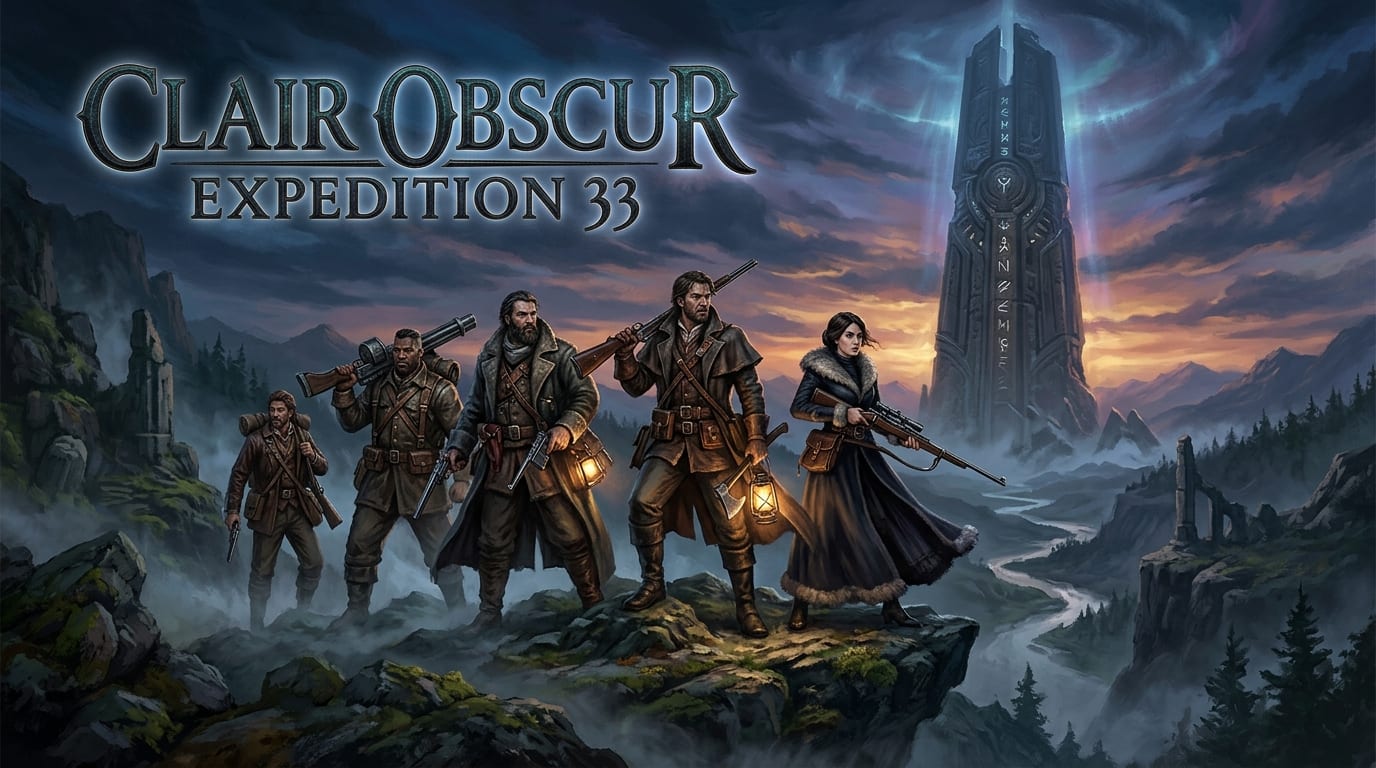
At that financial scale, a game must sell 6 to 10 million full-price copies just to reach break-even, often forcing publishers toward risk-averse design formulas. In contrast, a resurgent wave of Double-A (AA) and focused prestige studios—producing titles like Clair Obscur: Expedition 33, Warhammer 40,000: Space Marine 2, Lies of P, Helldivers 2, and Kingdom Come: Deliverance II—is thriving by rejecting bloat in favor of sharp creative focus.
Title: AAA vs. Focused AA Production Metrics
Badge: Studio Economics
- Asset Production Multiplication: Moving from 1080p to 4K PBR (Physically Based Rendering) with full facial performance capture increases per-character asset hours by roughly 4x to 6x.
- The Sweet-Spot Runtime: Focused 20-to-35-hour campaigns boast completion rates above 48% on Steam and PlayStation Network, compared to under 18% for 120-hour bloated sandboxes.
- Iterative Asset Reuse: Studios like Ryu Ga Gotoku (Like a Dragon) and FromSoftware maximize creative output by refining proven animation rigs and world tools across projects.
Where Does a $200 Million Budget Actually Go?
The primary driver of modern budget inflation is not core gameplay programming—it is bespoke content creation and pipeline rework:
- Photorealistic Asset Density: Every prop in a modern 4K scene requires high-poly sculpts, retopologized meshes or Nanite clusters, multi-layer Substance materials, and destruction states.
- Full Performance Capture & Localization: Recording thousands of lines of mocap dialogue across 12+ localized audio languages makes late-stage narrative rewrites extraordinarily expensive.
- Scope Creep & Mid-Cycle Reboots: When a 400-person team pivots core mechanics three years into production, months of environment art must be discarded.
How Focused Studios Achieve AAA Fidelity on AA Budgets
1. Disciplined Vertical Slice Locking: Teams lock core combat frame data, camera framing, and art direction using a 30-minute playable vertical slice before scaling asset production.
2. Stylized Lighting Over Brute-Force Realism: Art direction—composition, color grading, silhouette contrast, and atmospheric fog—carries far more emotional weight than counting individual pores on an NPC's face.
3. Systemic Replayability Over Map Size: Games like Helldivers 2 and Hades II invest engineering hours into intersecting weapon mechanics and enemy AI behaviors rather than hundreds of repetitive fetch quests.
Check upcoming AAA and indie launch schedules in our 2025/2026 Game Release Calendar and read our scored reviews in the Reviews Hub.